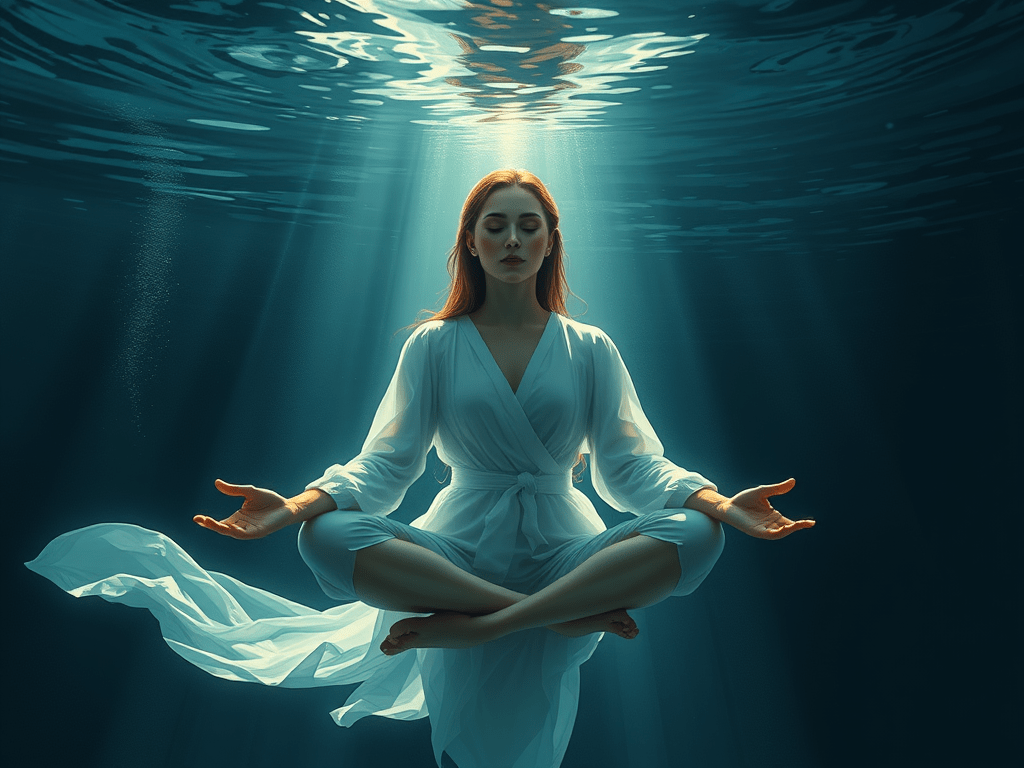
So I was watching a video about coming back to the surface after being in deep water. If you dive deep down and do not know how to swim, your first instinct is to struggle hard and gasp for breath. It is fear that takes over; fear that doesn’t just drown you in water, but in panic itself.
Now, if instead of struggling, you simply stay still, hold your breath, and move your legs gently, chances are you may rise to the surface — perhaps even be rescued.
But fear is the driving force.
How does one let go of fear and keep a calm mind at such times? Is it even humanly possible for a non-swimmer to not panic and follow the process?
How does one choose calm amidst the storm?
Or better yet, how does one become THE CALM?
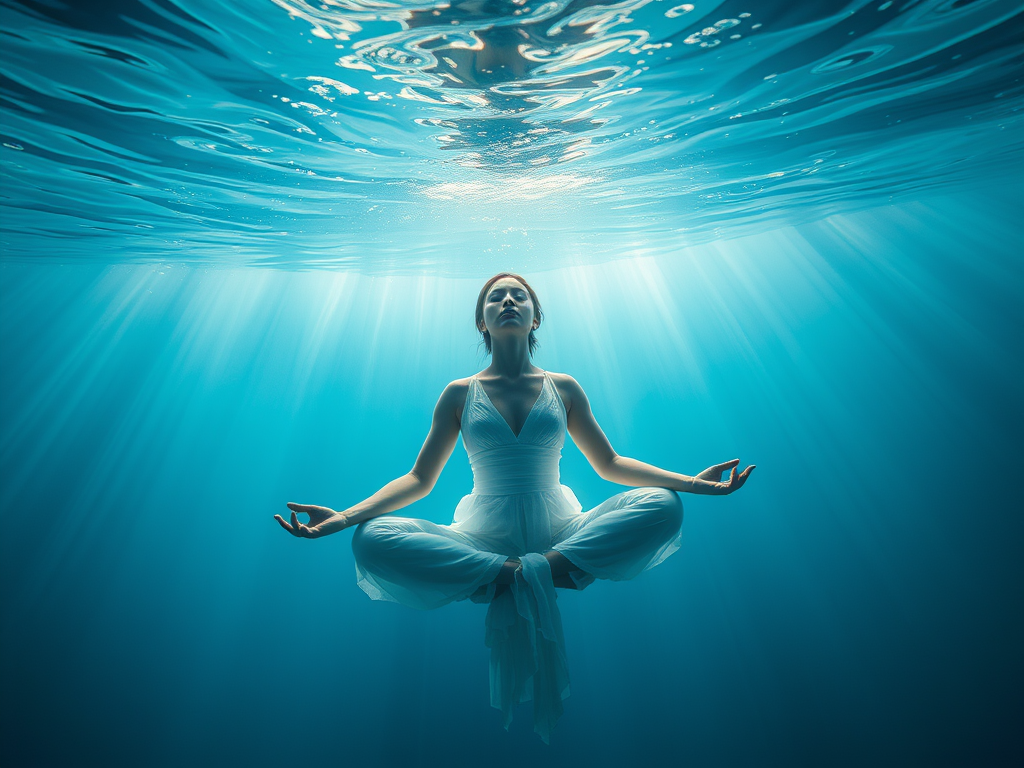
Mindfulness is a mouthful of wonder for many. Those who practice it swear by the patience, stoicism, and depth it offers. Yet not everyone can meditate. Not everyone can be that seemingly unaffected person who stays alert and composed in a sea of chaos.
And yet, we live in a VUCA world, shaped by volatility, uncertainty, complexity, and ambiguity. Our lives are driven by ambition, competition, and stress. How often do we blame economic uncertainty, the daily grind with no visible exit, or the tight grip of social and familial responsibilities placed upon us since birth?
Lately, in searching for answers, I keep returning to the same conclusion:
I am the root cause of many of my problems.
I am often the first of them.
How much am I willing to transform?
Do I choose healthier options or comfort by default?
Do I prioritise my health, or postpone it endlessly?
Do I really need this lifestyle, or could I adapt to something simpler?
And these occasional writing spurts, do I honour them by creating space for creativity, or do I dismiss them as indulgence?
Yes, there will always be challenges beyond my control.
Illness. Deadlines. Chores. Bills. The relentless to-do list that regenerates overnight.
But perhaps I can stay still while surrounded by these deep waters of worry.
Perhaps I can rise, not by force, but by intention and focus.
Maybe it is in my approach.
The more I frame everything as a problem to be solved, the messier it becomes.
Why must I always grip the control so tightly?
Why does my frustration so often spill over into rage, especially toward my own self?
Maybe I could loosen my grip.
Maybe I could go with the flow, not as surrender, but as trust.
I cannot believe I had to write so much to convince my mind that I need to let go.
Patience is a virtue I am constantly running out of, and this realisation feels less like an epiphany and more like a quiet reminder.
Perhaps calm is not something I reach, but something I return to.
Perhaps becoming the calm does not mean the absence of fear, only the courage to sit with it.
Like staying still in deep water, trusting that even without perfect skill, stillness itself can carry me upward.
Losing control often feels less like surrender and more like losing sanity. When things go wrong, and they so often do, it is far more than feeling overwhelmed or exhausted. It is a disorientation, a quiet panic, a sense of being unmoored.
Maybe, sometimes, we need to allow ourselves to be drowned, not defeated, but undone, trusting that resurrection will follow. And it does. In time, it always does.
How strange, then, that the white noise we resist so fiercely is sometimes essential to finding our voice. That the pause, the stillness, the suspension, all of it, is not an interruption of life, but an invitation to listen more closely.
Perhaps mindfulness is not about staying afloat at all, but about trusting the waters to carry us back when we stop struggling.
And maybe that trust — fragile, imperfect, human is where rising truly begins!
 Mizuki Dreams
Leave a comment